Contact Info
-
Sheng'an Building, No. 296 Xinhua Road, Shijiazhuang, Hebei Province
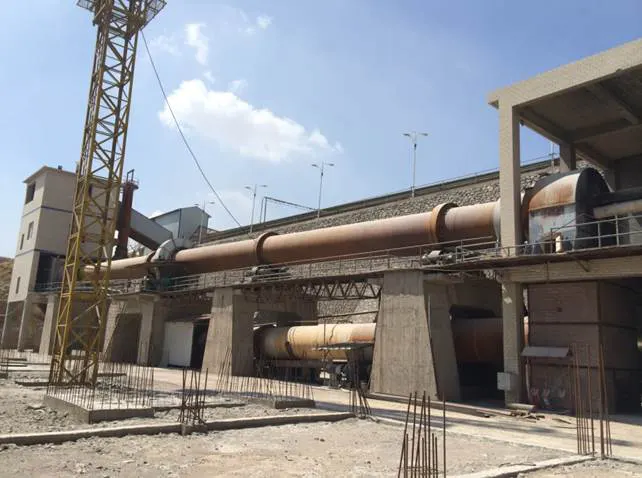
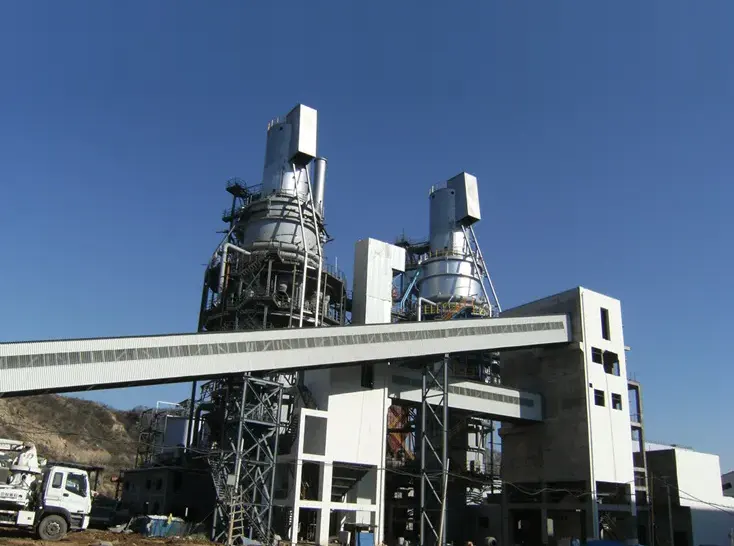
The HBMER's Long Rotary Kiln is a specialized high-temperature thermal processing system designed for the production of sintered dolomite and Dead Burned Magnesite (DBM)—essential refractory-grade materials used in steelmaking, cement, and glass industries. The kiln transforms carbonate minerals into dense, stable refractory grains with bulk densities exceeding 3.40 g/cm³ through controlled high-temperature sintering.
Applications:
Refractory Industry: Production of basic refractory bricks for EAF, BOF, cement rotary kilns, and glass melting tanks
Steelmaking: Furnace bottom construction, slag conditioners, and refractory linings
Non-ferrous Metallurgy: Linings for copper, nickel, and other smelting operations
Working Principle:
Raw Material Preparation: High-purity magnesite or dolomite is calcined to produce caustic calcined magnesia (CCM), then milled and briquetted before entering the kiln.
Sintering Process: The material travels through the rotating kiln, where it is gradually heated to extreme temperatures. Small MgO crystals coalesce into large periclase crystals—a transformation that densifies the material and reduces volume by nearly 50%.
Cooling: The sintered product is cooled in an integrated system, with waste heat recovered to improve overall thermal efficiency.
Technical Specifications:
|
Parameter |
Specification |
|
Calcination Temperature |
1400–2100°C (depending on fuel type) |
|
Temperature with High CV Fuels |
Up to 2100°C (natural gas, heavy oil) |
|
Production Capacity |
40–200 tons per day |
|
Product Bulk Density |
>3.40 g/cm³ |


Key Features & Advantages:
Superior Product Quality: Achieves DBM with bulk density >3.40 g/cm³ and large periclase crystal size—properties directly correlated with enhanced refractory performance, thermal strength, and slag resistance.
Uniform Heat Distribution: Unlike conventional shaft kilns that struggle with heat transfer limitations, HBMER's long rotary kiln design ensures uniform heat penetration and extended residence time at optimal sintering temperatures.
Controlled Crystal Growth: The process enables controlled periclase crystal growth while maintaining complete densification—critical for high-temperature refractory applications requiring better creep properties and slag resistance.
Fuel Flexibility with Temperature Precision: Depending on fuel selection, calcination temperatures range from 1400°C to 2100°C. For high calorific value fuels such as natural gas or heavy oil, the system achieves temperatures up to 2100°C, ensuring complete densification for the most demanding DBM specifications.
Scalable Production: Available in capacities from 40 to 200 tons per day, accommodating both pilot-scale operations and full commercial production requirements while maintaining consistent product quality.
HBMER Advantage:
Custom-designed kiln dimensions optimized for specific material characteristics and production requirements
Advanced refractory lining systems capable of withstanding severe conditions up to 2100°C
Integrated waste heat recovery for improved energy efficiency
Comprehensive automation for precise temperature profiling across the 1400–2100°C operating range
Complete systems including preheaters, coolers, and material handling equipment
Quality Assurance:
All HBMER kilns produce DBM and sintered dolomite characterized by:
High density (>3.40 g/cm³) and large periclase crystal size
Low impurity content
Consistent chemical and physical properties batch after batch
HBMER long rotary kilns deliver the high-temperature performance, product quality, and operational reliability required for premium refractory material production, supporting critical industries with essential high-grade raw materials.