Contact Info
-
Sheng'an Building, No. 296 Xinhua Road, Shijiazhuang, Hebei Province
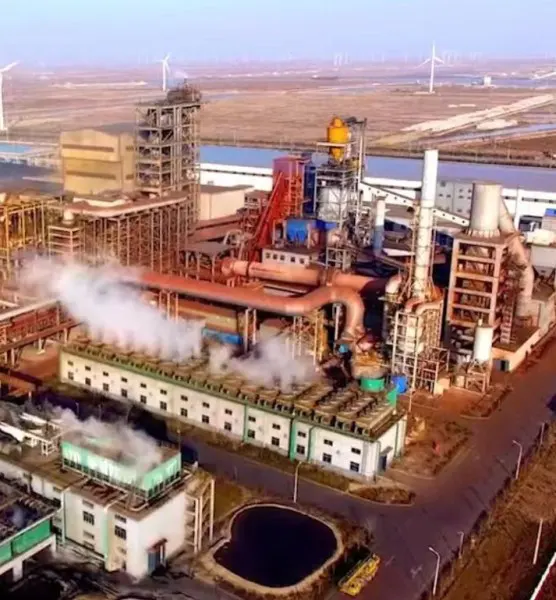
Direct reduced iron is a non-blast furnace ironmaking technology. It is a non-blast furnace ironmaking technology (encouraged) in the national industrial structure adjustment. Direct reduced iron is a direct raw material for special steel and powder metallurgy, and it is a necessary diluent for scrap steelmaking.
● Rotary kiln method: 30,000 to 200,000 tons
(Low investment)

Rotary Kiln Direct Reduced Iron (DRI) Technology – Company Introduction
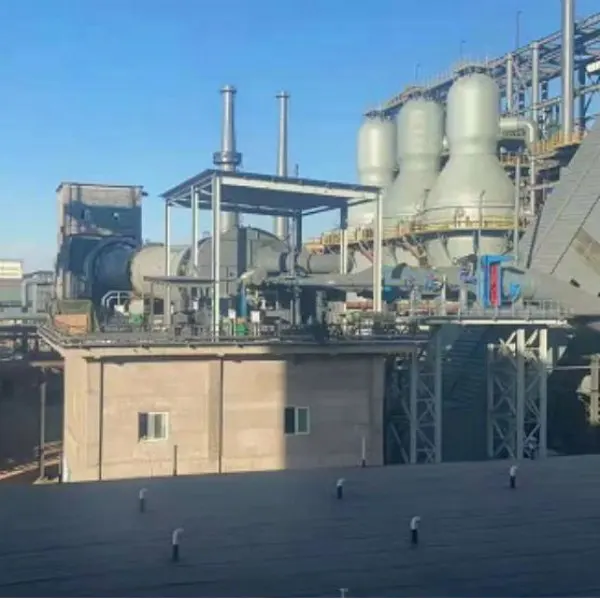
Direct Reduced Iron (DRI), also known as sponge iron, is produced by the direct reduction of iron ore (in lump or pellet form) using a reducing gas generated from coal or natural gas. Among various processes, the coal-based rotary kiln reduction route is particularly advantageous for regions with abundant non-coking coal but limited natural gas. In this process, iron ore and coal (as a reductant) are continuously fed into a slightly inclined rotary kiln. As the kiln rotates, the charge moves slowly downstream, while the coal combusts and generates CO and H₂, which reduce iron oxides to metallic iron at around 1050–1100°C. The final product, DRI, is discharged, cooled, and magnetically separated from gangue and excess char.
Key advantages of rotary kiln DRI technology include:
Flexibility in raw materials (lump ore, pellets, and various grades of coal)
Lower capital investment compared to gas-based shaft furnace or Midrex/HYL processes
Suitability for small-to-medium scale production, especially in developing markets
Our Company’s Pioneering Role in China
Our company was instrumental in introducing the first rotary kiln DRI production line in China. We led the technology transfer and importation of two 5×80m rotary kilns – the country’s very first industrial-scale rotary kiln DRI facility. This landmark project established the technical foundation for coal-based direct reduction in China and demonstrated the viability of the process on a commercial scale.
Following this successful introduction, our Technical Director of DRI served as the Production Manager of that first project. With decades of hands-on experience in kiln operation, process optimization, and trouble-shooting, he now leads our technical team, ensuring that every project we undertake benefits from proven operational expertise and continuous innovation.
Global Project Track Record
Leveraging our pioneering experience, our company has delivered multiple turnkey (EPC) rotary kiln DRI projects in China and overseas. We have successfully exported our technology and equipment to India, one of the world’s largest DRI-producing markets. Our scope of supply typically includes: process design, kiln and cooler supply, material handling systems, environmental control equipment, plant erection, commissioning, and operator training.
We are proud to combine proven Chinese engineering capabilities with operational know-how rooted in our first 5×80m kiln project – a heritage unmatched in the industry. Whether you are developing a new DRI plant or upgrading an existing one, we offer reliable, cost-effective, and production-proven solutions.

Typical Project
|
No. |
Project |
Scale |
|
1 |
Xinjiang Jinte Limonite Reduction Project |
2000t/d |
|
2 |
Gejiu Hengrui Limonite Reduction Phase1 |
2000t/d |
|
3 |
Gejiu Hengrui Limonite Reduction Phase2 |
3000t/d |
|
4 |
Xinjiang Jinte Limonite Gas-based Reduction |
150kt/a |
|
5 |
Jianlong Wuhai Saisipu project |
300kt/a |